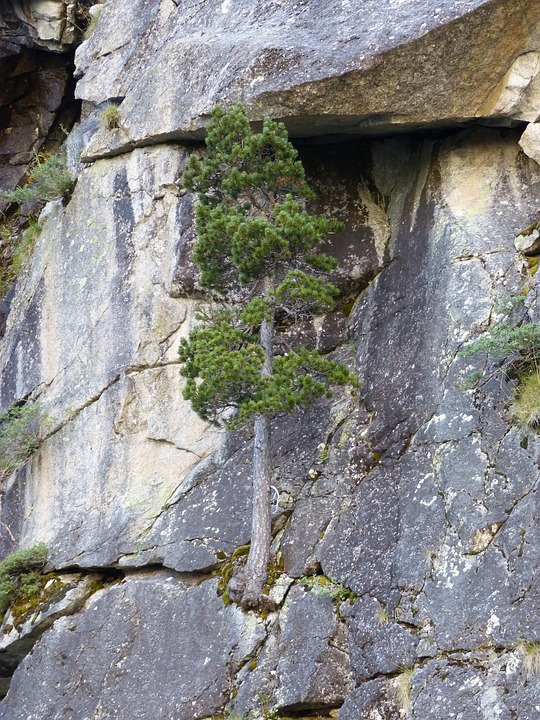
One day I was observing some trees in the adjacent yard move in response to wind gusts that swirled around the yard.
It was like a choreographed performance. Some branches danced rhythmically, others moved chaotically and one tree had branches that swayed together slowly in time as if synchronised.
As I became aware of these movements in response to the winds of change, I was inspired to write the following poem:
Wind-blown trees
Dancing rhythmically
Chaotic movement
Swaying in unison
Different trees, different responses.
I was reminded of the different responses we have to change and the significant events that affect our lives, e.g. job changes or job losses.
Sometimes, we move with the change in our lives and take it in our stride while at other times the change creates chaos for us. If we have strong emotional support, we may be able to move with the change rather than resist its pressures.
When we have built up resilience through mindful practice, we are better able to withstand the impact of major changes in our lives. We are able to more readily bounce back from changes that unsettle us and upset our equilibrium.
The movement of trees in the face of wind symbolises how we can respond to change in our lives. We can welcome the change, be overcome by the chaos it can create or respond flexibly to its pressures. As we grow in mindfulness and experience the winds of change in our lives, we are better able to develop an appropriate response.
When we are buffeted by the winds of change, mindfulness helps us to respond constructuvely rather than destructively. It enables us to stay centred.