George Lakoff and Mark Turner point out in their book, More Than Cool Reason: A Field Guide to Poetic Metaphor, that we “deal with time metaphorically”, just as we do with other abstract concepts such as life and death. In a previous post, I discussed how a metaphor itself shapes our perceptions and world view and how poetry can enable us to change metaphors and break frames. Time metaphors are pervasive in our everyday language and expose how we view time.
Time metaphors
In this current post, I discuss several time metaphors and explore ways to break free of the constraints in thinking and feeling that they elicit:
If only I had more time
The desire for “more time” is fraught with difficulty because “time” is finite in the sense that we only live one lifetime (normally, up to 100 years). The saying suggests that we could do “more of the same, without reflecting on how we use our time”. We need to review how we spend our time, e.g. in watching TV, sleeping, going to the movies, talking, spreading rumours, playing video games, engaging with social media, feasting on the news. We can treat time as an endless commodity to be drawn on at will or view it as something that is finite and valuable. We can waste time or fritter it away because we have not learned to value what time represents – our chance to learn, grow, contribute and support. There is more to time than meets the eye.
Killing time
This is a way of saying: I need to use time up because I have too much time. It suggests that we are bored, have nothing positive or productive to do. This is an opportunity to savour the freedom of boredom. We are consumed by the need to be doing things all the time, to fill in time with activity. The emphasis on “doing” instead of “being” creates its own stresses. Boredom can be freeing in that it motivates us to be more creative in how we spend our time – the work that we do, our leisure choices, our creative pursuits, developing relationships, our mindfulness practices. Arlie Russell Hochschild suggests that our need to be busy creates a Time Bind that means we are caught up in an obsessive need to fill in time with activity. In the workplace, we have to be seen to be busy – what Christine Jackman describes as “performative busyness”.
Running out of time
This expression often refers to an impending deadline, one that is externally imposed or self-created. We can review the external deadlines in terms of importance and necessity and, where possible, negotiate a change in timeline. Self-imposed timelines are time- traps of our own creation. We can review them and question why we have created them – are they the product of limiting self-beliefs, a need to please, or a need to achieve? In reviewing our self-imposed deadlines, we can ask ourselves, “How necessary are they?” “How could they be changed/adjusted?” By way of example, when I started out writing this blog, I set myself the goal of daily blog posts. This became unsustainable when I started co-facilitating manager-development programs across the State. On the advice of my mentor, I changed my goal to two or three posts a week. I have subsequently adjusted my timeline again to reflect my desire to write a series of e-books based on this blog. I now aim to write two 1,000 word posts per month, along with updating my archive page. Adjusting our self-imposed deadlines for changed circumstances becomes essential if we are to avoid creating unnecessary stress.
Wasting time
We often hear the expression, “That’s a waste of time” or “Stop wasting time”. The emphasis on waste is a recognition that time is a finite resource for our life here on earth. Unfortunately, we spend so much time either thinking about the past or worrying about the future – catalysts for depression and anxiety. Jake Bailey reminds us too that we can spend so much time on looking forward to tomorrow (and live in expectation of what it has to offer) that we lose sight of the present. Elisha Goldstein in his book, The Now Effect, reminds us that being mindful of the present moment can change our life. Richard Carlson and Joseph Bailey reinforce this message in their book, Slowing Down to the Speed of Life. They maintain that we speed up our lives when we live in the past, engage in self-judging or become overly-analytical of our daily life and its related problems. They argue that the benefits of slowing down to the present moment (rather than racing ahead) include improving our health and relationships, enjoying more peace and equanimity, reducing our stress and strengthening our focus and capacity to be productive.
Time metaphors and chronic illness
Jennifer Crystal – writer, educator and author of One Tick Stopped the Clock – has written about the different perceptions of time and mindsets by people experiencing chronic illness and those close to people suffering from chronic illness. In a blog post, The Time-Warp of Tick-Borne Illness, she discusses time metaphors in the context of her own experience of tick-borne chronic Lyme Disease.
Jennifer points out that we typically have a different relationship to time (and different time metaphors) at the various stages of our life. As children, time does not move fast enough; as we become aged, we want time to slow down. When people experience chronic illness, different time metaphors come into play.
Jennifer notes that she lost so much time through illness which delayed her degree graduation, her relationships and job/life plans. For her during this period of chronic illness and a subsequent relapse, time moved too fast. She felt an urgency to catch up with time. However, her recovery depended on her slowing down and spending time on self-care. Despite the feeling of having a lot of catching up to do, Jennifer has had to move at her own pace to achieve her goals in her own time and to avoid further major relapses.
Jennifer noted that perceptions of time can be so very different for the well in comparison to the chronically ill. The former often wish for the free time that they see as the province of the chronically ill (time to lie around and read or watch TV). What they don’t realise is that the chronically ill person often does not have the energy or pain-free experience to enjoy these envied activities. Jennifer maintains that each side (the healthy and the chronically ill) need to develop an understanding of the perspective and experience of the other. Even the healthy person experiences stressors and pain in this fast-paced world.
Reflection
In this post, I have concentrated on several time metaphors that can constrain our perception and mindset. However, there are time metaphors that have positive connotations or that promote proactivity, such as a stitch in time saves nine.
In the March Creative Meetup, an online support group for writers-with-chronic-illness, Jennifer shared her blog post and offered two time-related writing prompts:
- How has your relationship to time changed with your illness?
- Imagine yourself springing forward or backward to a future or past moment in your life. Write a letter to your future or former self from your current self.
As we grow in mindfulness through reflection and other mindfulness practices, we can gain self-awareness about our own time metaphors and find creative ways to break the frames that constrain our thinking and mindset.
I developed the following poem while reflecting on time metaphors:
Time Metaphors
Time doesn’t wait,
it marches on.
We waste time when
killing time,
living for tomorrow,
buying our time,
waiting for the right time.
We express time regrets when we say
if only I had more time,
I have too much time on my hands,
time is going too fast,
if only I had my time over again.
We express frustration with time when we say
where has all the time gone?
I can’t wait till tomorrow comes,
I’ve run out of time,
I’m caught in the trap of time.
Time is restless, relentless, resilient, resourceful.
Time is opportunity
to learn, grow and create,
to care for self and others,
to be in the present moment,
to experience wonder and awe.
_______________________________________
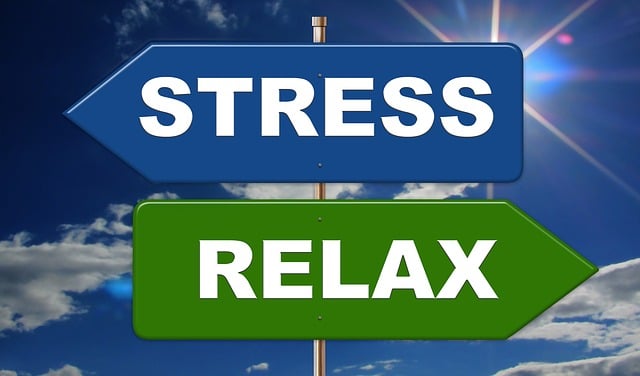
Image by Gerd Altmann from Pixabay
By Ron Passfield – Copyright (Creative Commons license, Attribution–Non Commercial–No Derivatives)
Disclosure: If you purchase a product through this site, I may earn a commission which will help to pay for the site, the associated Meetup group, and the resources to support the blog.